Best Baby Bottles: Easy Feeding Options for Every Parent
Finding the right baby bottle can feel more complicated than it should. With so many shapes, materials, and nipple designs, parents often buy a dozen before finding the one their baby actually likes.
I’ve been there—standing in the bottle aisle at Target, overwhelmed by claims like “colic-free,” “breast-like,” and “easy-latch.” The truth is, the best baby bottle is the one that works for your baby’s feeding style, whether you’re breastfeeding, formula feeding, or a mix of both.
The good news? The U.S. market offers excellent baby bottles designed to make feeding smoother for both parents and little ones.
Why Picking the Best Baby Bottle is Essential
All bottles do the same job, but the right one can make feeding less stressful and healthier for your baby.
- Prevents colic and gas: Venting systems reduce air intake, lowering spit-ups and fussiness.
- Supports breastfeeding: Some bottles mimic the breast, making it easier to switch between nursing and bottle.
- Easy cleaning: Wide-neck bottles and dishwasher-safe parts save precious time.
- Durability: Materials like BPA-free plastic, silicone, or glass ensure long-lasting use.
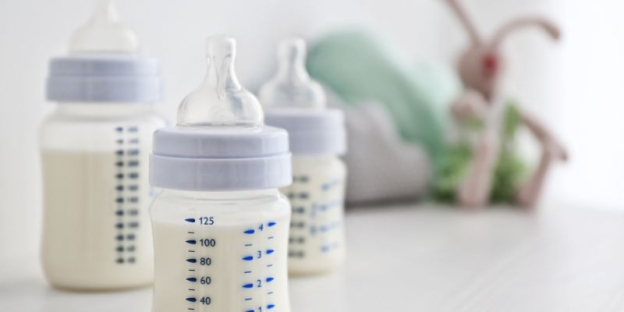
When I chose the wrong bottle, feedings became a battle. Once I switched to a bottle with an anti-colic vent, my baby's gas and spit-up reduced dramatically—and so did my Stress.
What Makes a Baby Bottle Parent-Friendly?
Not all bottles are created equal. A parent-approved bottle usually has these features:
- Anti-colic system – Built-in vents or valves reduce swallowed air.
- Breast-like nipple – Easier transition for babies who switch between breast and bottle.
- Material choice – BPA-free plastic is lightweight, while glass and silicone are eco-friendly and durable.
- Easy-to-clean design – Wide necks and fewer parts save time.
- Right flow speed – Nipples come in different flow levels; matching your baby’s age and feeding style is essential.
My Honest Picks: Best Baby Bottles for U.S. Parents
After trial, error, and plenty of late-night feedings, here are my top recommendations:
1. Dr Brown's Natural Flow Anti-Colic Bottles
A staple in American households, Dr Brown's bottles are known for their internal vent system that reduces colic, gas, and spit-up.
- Why it stands out: The vent system really does make a difference for gassy babies. The slow-flow nipple also mimics breastfeeding well.
- Best for: Babies struggling with reflux or frequent spit-ups.
2. Philips Avent Natural Baby Bottle
Designed with a wide, breast-shaped nipple, Philips Avent bottles help babies latch easily.
- Why it stands out: Simple to clean with only a few parts, and the anti-colic valve works well without complicated systems.
- Best for: Breastfeeding parents seeking a seamless transition from breastfeeding to bottle-feeding.
3. Comotomo Baby Bottle
Made of soft, squeezable silicone, Comotomo bottles are both unique and compelling.
- Why it stands out: The material feels more natural to babies, and the wide neck makes cleaning effortless. Plus, it’s dishwasher and microwave-safe.
- Best for: Babies who reject traditional plastic bottles.
4. MAM Easy Start Anti-Colic Bottles
These bottles feature a self-sterilising design—you can sterilise them in the microwave in just 3 minutes.
- Why it stands out: The Ventilation base helps prevent gas, and the textured nipple makes it easier for babies to accept.
- Best for: Parents on the go who want quick sterilisation without extra equipment.
5. Tommee Tippee Closer to Nature Bottles
Known for their wide nipples that closely resemble the breast, Tommee Tippee bottles are a hit with many babies.
- Why it stands out: Affordable, widely available in the U.S., and shaped for easy holding.
- Best for: Parents seeking affordable, breast-like bottles.
Things to Watch Before Buying
Before filling your cart, consider these essentials:
- Material – Glass is durable and chemical-free, but heavier. Plastic is lightweight but may wear faster. Silicone offers flexibility and durability.
- Nipple shape and flow – A newborn needs a slow-flow nipple, while older babies may need a faster flow.
- Cleaning requirements – If you hate scrubbing, look for bottles with fewer parts and wide openings
- Baby’s preferences – Some babies prefer specific nipple shapes. Trial and error is normal.
- Quantity – You’ll need at least 6–8 bottles if exclusively bottle feeding, but fewer if supplementing with breastfeeding.
- Budget – Premium bottles like Comotomo are worth it for picky feeders, but budget-friendly options like Tommee Tippee often work just as well.
Conclusion: Baby Bottles as Everyday Helpers
Here’s the truth: the “perfect” baby bottle doesn’t exist—it’s the one your baby accepts and you can clean at 2 a.m. without frustration.
Some families swear by Dr Brown's for colic relief, while others rely on Philips Avent for easy cleaning or Comotomo for picky feeders. The best choice depends on your baby's comfort and your lifestyle.
Yes, it takes some trial and error. But once you find the right match, feeding becomes smoother, calmer, and even enjoyable. That's the real win—less Stress for parents, more comfort for babies, and bonding time you'll treasure.