7 Signs Your Baby Is A Genius (Backed by Science)
As a parent, I often wonder if my baby is a genius. After reading many studies and talking to experts, I found clear signs that a baby might be a genius. These signs are backed by science and can help parents understand their baby's potential. Here are seven signs your baby might be a genius.
1. Your Baby Hits Milestones Early
One of the first signs of a genius baby is hitting developmental milestones earlier than other babies. For example, some babies start sitting up without help at three months, while others might begin speaking clear sentences by ten months. These milestones are not just about physical growth but also about cognitive development.
Research has shown that babies who hit milestones early have higher IQs later in life. For example, a study published in the journal Pediatrics found that babies with higher birth weights who hit milestones earlier tend to have slightly higher IQs throughout their lives.
It could be a sign of advanced intelligence if your baby crawls, walks, or talks earlier than expected.
2. Your Baby Has Exceptional Focus
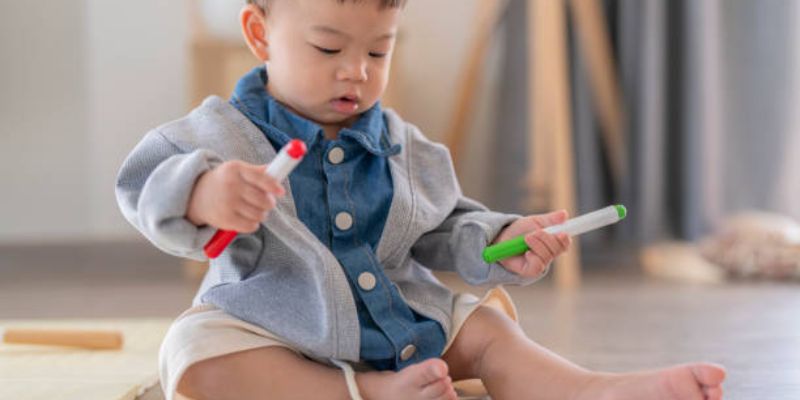
Most babies have short attention spans and get distracted easily. But a genius baby, even very young, can focus on a task for a long time. For example, a five-month-old might play with wooden blocks for 30 minutes without losing interest.
This ability to focus shows that your baby's brain is developing quickly. It also means they can process information better than other babies their age. Focus is a key part of problem-solving and learning, a strong sign of intelligence.
3. Your Baby Loves Solving Problems
Genius babies are natural problem-solvers. If you hide their favourite toy, they will find a way to get it, even if it means climbing on a box or stacking objects to reach it. This kind of creative thinking shows that your baby can understand cause and effect and come up with solutions to challenges.
Problem-solving is a big part of intelligence. Babies who show these skills early often become quick thinkers and innovative adults.
4. Your Baby Prefers Solitude
While most babies love being around people, genius babies enjoy playing alone. They might spend hours with puzzles, books, or toys, wholly absorbed in their world. This doesn't mean they are antisocial; they are happy exploring their thoughts and ideas independently.
This preference for solitude is linked to high intelligence because it shows your baby can entertain themselves and think deeply about things. It's a sign of independence and creativity.
5. Your Baby Is Extremely Curious
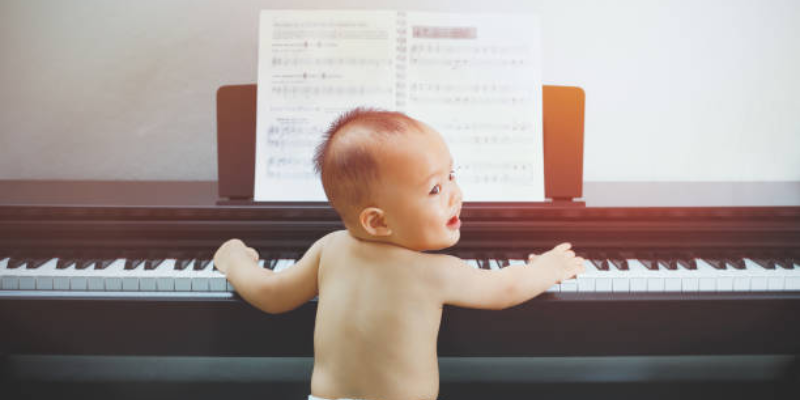
Curiosity is a hallmark of intelligence. Genius babies always ask questions, take things apart, and explore their surroundings. They might ask complex questions that even adults find hard to answer, like "Why is the sky blue?" or "How do birds fly?"
This curiosity drives them to learn more about the world. It’s a sign that their brain is constantly seeking new information and making connections between ideas.
6. Your Baby Has a Sharp Memory
A genius baby can remember things that other babies forget. For example, they might recognize the name of a person they met only once or the location of a toy they played with weeks ago. This kind of memory is a sign of advanced cognitive development.
Memory is essential for learning because it helps babies store and recall information. A sharp memory at a young age can lead to better academic performance later in life.
7. Your Baby Is Highly Alert
Genius babies are very aware of their surroundings. They make eye contact early, respond quickly to sounds, and notice small environmental changes. For example, they might see if you move furniture or change your hairstyle.
This alertness shows that your baby's brain processes information quickly and efficiently. It's a sign of high intelligence and advanced sensory processing.
How To Nurture Your Baby’s Intelligence
If your baby shows these signs, there are things you can do to help them reach their full potential. Here are some tips:
Talk to Your Baby Often: Babies learn language by listening to their parents. The more you talk to them, the faster they learn new words and ideas.
Read Books Together: Reading helps babies develop language skills and imagination. Choose books with colourful pictures and simple stories.
Encourage Play: Play is how babies learn about the world. Give them toys that challenge their thinking, like puzzles or building blocks.
Provide a Stimulating Environment: Babies need new experiences to grow their brains. Take them to parks, museums, or other places where they can explore.
Be Patient and Supportive: Every baby develops at their own pace. Encourage their curiosity and celebrate their achievements, no matter how small.

What Science Says About Genius Babies
Science has shown that intelligence is a mix of genetics and environment. While some babies are born with a natural ability to learn quickly, their surroundings play a significant role in developing their intelligence. For example, babies who grow up in homes with lots of books and educational toys tend to do better in school.
Studies also show that babies exposed to multiple languages from a young age often have higher IQs. Learning languages helps the brain make new connections and think more flexibly.
Recognizing And Supporting Your Baby’s Potential
Every baby is unique; not all genius babies show the same signs. Some might be great at solving problems, while others have unforgettable memories or language skills. The key is to pay attention to your baby's strengths and help them grow in areas where they show interest.
If you think your baby might be a genius, don't worry about labelling them. Instead, focus on providing a loving and stimulating environment where they can thrive. Your baby can reach their full potential and achieve great things with proper support.
By understanding these signs and nurturing your baby's abilities, you can help them grow into confident and intelligent individuals. Remember, every baby is unique, and your love and support are the most important things you can give them.